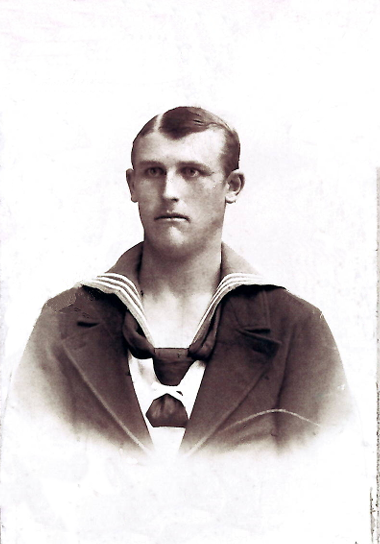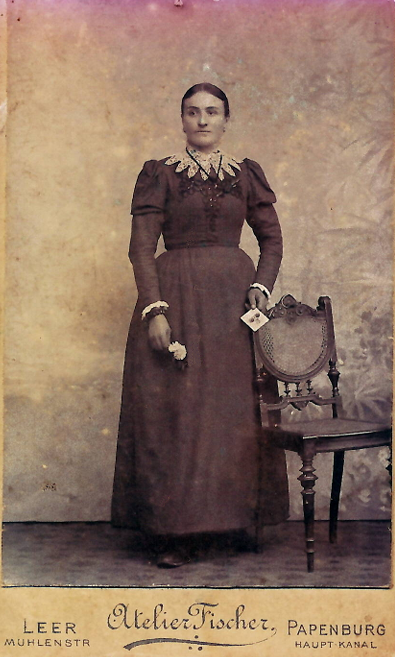
Boelke de Vries married Lena Klover May 12, 1900 in Filsum, Ostfriesland, Germany, and they had nine children:
- Gerd Jacobs, born 1901, married Berti, lived in Mecklenburg
- Harm Johann Heinrich, born 1903, married Trintje Fittje, lived in Lammertsfehn
- Lena (Gebkelina), born 1905
- Anna Margareta, born 1908, passed away 1908
- Anna Anke Mena, born 1909, married Ewart Martens, lived in Stallbruggerfeld
- Wilke (Wilhelm), born 1911, married Anna Specht, lived in Detern
- Bernhard, born 1913, married Antje Ferdinand, lived in Henningsfehn
- Boelke Hinrich Englebart, 1915, married Gebke Hinken, lived in Selverde
- Antje Lena Margareta, 1918, married Gerd Kaiser and lived in Firrel
Hilda’s notes said that Boelke was a sailor on a ship.
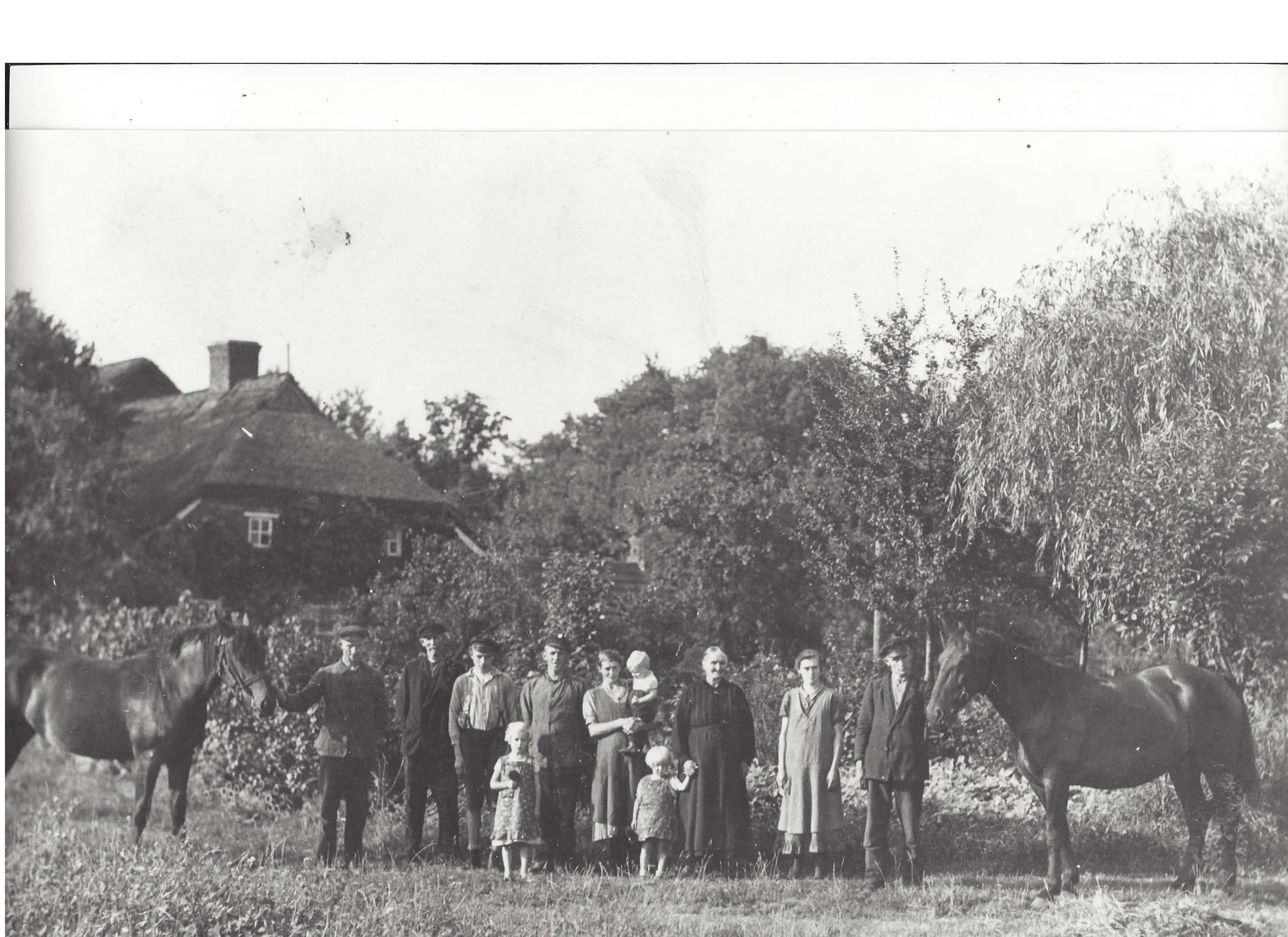
Boelke and his family lived in their own house with large land holdings in Lammertsfehn. He was a boatman who transported peat on local rivers and also grew rye, oats, barley and potatoes and sold them to the cooperative. They had cows, pigs, chickens and five horses (which were taken during wartime for use in the war) and were able to provide for themselves very well. The windmills were purely garden decorations. They were often built in the winter to keep busy. an East Frisian tradition, so to speak. Not to be confused with the real windmills in which grain was processed.
When Joyce visited the land where the farm once was, a farm worker who had been working on the farm for at least 30 years, arrived with his tractor and trailer. He was able to point out exactly where the entrance road to the farm once was and the location of the house. He said that only a few years ago, he found a large hole in the property where the well once was. He told a story about Lena Klover, that she was known in the area for her elixir or herbal concoction called “Cup of Lena” that helped with various illnesses. Neighbors would come by and ask for a “cup of Lena”!